X-rays from SLAC's synchrotron reveal star maps in a centuries-old manuscript
Pages from the Codex Climaci Rescriptus palimpsest from the Museum of the Bible in Washington, DC, were brought to the Stanford Synchrotron Radiation Lightsource to recover erased astronomical text, especially fragments from Hipparchus' star catalog.

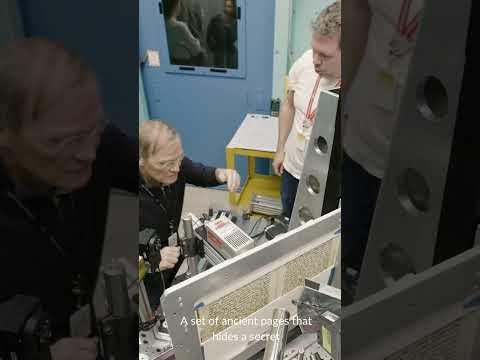
X-rays reveal star catalog of Hipparchus, hidden in ancient text.
About SLAC
SLAC National Accelerator Laboratory explores how the universe works at the biggest, smallest and fastest scales and invents powerful tools used by researchers around the globe. As world leaders in ultrafast science and bold explorers of the physics of the universe, we forge new ground in understanding our origins and building a healthier and more sustainable future. Our discovery and innovation help develop new materials and chemical processes and open unprecedented views of the cosmos and life’s most delicate machinery. Building on more than 60 years of visionary research, we help shape the future by advancing areas such as quantum technology, scientific computing and the development of next-generation accelerators.
SLAC is operated by Stanford University for the U.S. Department of Energy’s Office of Science. The Office of Science is the single largest supporter of basic research in the physical sciences in the United States and is working to address some of the most pressing challenges of our time.
Related stories

Scientists capture first molecular-level images of water reorganization during a reaction crucial for life
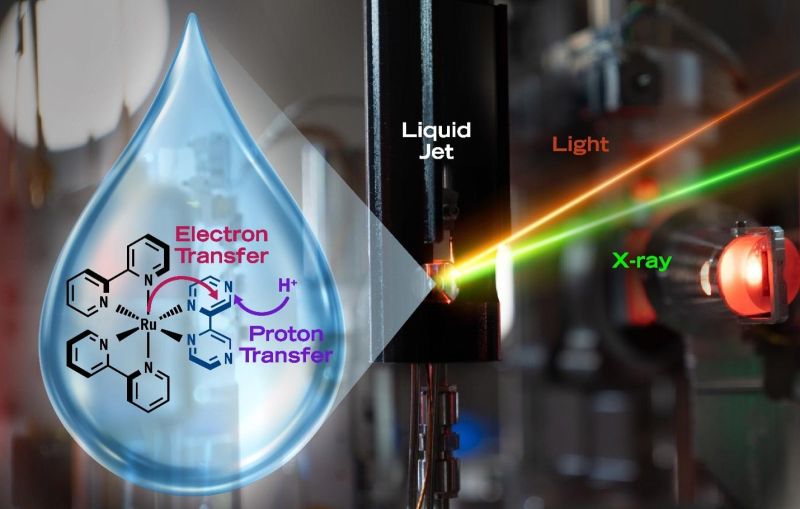
Scientists capture first molecular-level images of water reorganization during a reaction crucial for life